
Launching a new product requires more than announcing that it is available. Consumers may need to understand what the product does, how it works and why it is relevant to them. Traditional advertising can introduce a new product through photographs, videos and promotional messages. Experiential marketing adds another opportunity by allowing people to interact with the product or brand directly. A consumer electronics company might create a temporary product testing station. A beauty brand could organise a supervised demonstration. An automotive manufacturer might build an interactive vehicle showcase. A film distributor could create a themed experience connected to a release. These activities can help brands communicate their message in a practical setting. However, the best experiential marketing idea is not always the largest or most technically complex. A simple demonstration can be effective when it explains the product clearly and reaches relevant customers. An expensive installation may attract an audience without helping people understand what the brand offers. For UK product launches, the concept also needs to work within the available venue, budget, time and approval requirements. This guide presents 25 experiential marketing ideas for product launches in the UK, with practical uses, planning requirements and measurement suggestions. It also explains how to select a concept, build a realistic campaign budget and combine physical experiences with outdoor advertising.
1. What Is Experiential Marketing for a Product Launch?
Experiential marketing uses planned activities or experiences to help audiences engage with a brand. For a product launch, the experience is designed around introducing something new. Instead of only describing features, brands can create opportunities for people to discover, test or understand the product.
Common Objectives
An experiential product launch may aim to:
- Introduce a new brand or product
- Encourage product trials
- Explain important features
- Build product awareness
- Generate relevant enquiries
- Support retail distribution
- Create approved campaign content
- Collect useful consumer feedback
Experiential Marketing vs Brand Activation
The terms overlap. Experiential marketing is the broader approach of communicating through experiences. Brand activation usually refers to a specific activity designed to generate engagement or another defined outcome. For example, a temporary product testing experience can be both an experiential campaign and a brand activation. Explore TRZY UK Experiential Activations and Brand Activation.
2. How to Choose the Right Product Launch Experience
Before selecting an idea, answer five questions. What does the product do? A product that needs hands-on explanation may benefit from a demonstration. Who is the audience? The venue and activity should reflect the intended customers. What action should participants take? The campaign may seek awareness, trial, registration or qualified enquiries.
How much time will people have?
An experience in a busy pedestrian environment may need a short interaction. An invitation-only event can allow longer guided demonstrations. What is the complete budget? The concept must account for venue, production, staff, logistics and approvals.
Match the Idea to the Objective
A new drink might benefit from sampling. A complex home appliance could benefit from a live demonstration. A vehicle launch might require an appropriate display and consultation area. There is no reason to use the same activation format for every product category.
25 Experiential Marketing Ideas for UK Product Launches
Idea 1. Interactive Product Testing Station
An interactive product testing station allows visitors to try a new product in a supervised environment. This is one of the most practical launch formats because the interaction is directly connected to what the brand sells.
Best For
- Consumer electronics
- Audio products
- Home appliances
- Fitness equipment
- Beauty technology
How It Works
The brand creates an approved demonstration area with the product and trained staff.
Visitors can test selected features and ask questions.
Example
A headphone manufacturer introduces a new model. The activation provides listening stations where participants can experience approved sound modes.
Main Requirements
- Suitable venue
- Demonstration units
- Power where required
- Trained staff
- Hygiene procedures
- Product security
Useful KPIs
Completed demonstrations, relevant product questions, qualified enquiries and voluntary feedback.
Idea 2. Product Sampling Campaign
Sampling gives consumers an opportunity to try a product without committing to a purchase. It is particularly relevant to products where taste, texture, scent or another sensory feature matters.
Best For
- Food and beverages
- Beauty products
- Personal care
- Selected
- FMCG products
How It Works
A brand distributes approved samples at a relevant location. Staff explain the product and manage participation.
Example
A new snack brand introduces a flavour through supervised sampling at an approved retail destination.
Main Requirements
- Venue approval
- Product stock
- Storage
- Sampling staff
- Hygiene arrangements
- Allergen information where applicable
- Waste management
Useful KPIs
Samples distributed, relevant consumer feedback and appropriately measured product interest. Sampling volume should be recorded accurately. It should not automatically be described as an equivalent number of new customers.
Idea 3. Pop-Up Brand Experience
A pop-up is a temporary space developed around a brand or product. It can combine product displays, demonstrations and a distinctive visual identity.
Best For
- Fashion
- Beauty
- Consumer electronics
- Home and lifestyle products
- Entertainment launches
How It Works
The brand hires an appropriate temporary space and creates a visitor journey. A pop-up could include a welcome area, demonstration zone and a product information point.
Main Requirements
- Space licence
- Creative design
- Fabrication
- Staff
- Insurance
- Installation and removal
- Venue approval
Useful KPIs
Verified visitors, meaningful interactions, product trials and qualified enquiries. A pop-up should have a clear product message. An attractive interior alone is not a sufficient marketing objective.
Idea 4. Live Product Demonstration
A live demonstration shows a product being used in realistic conditions. This can be useful when the product’s main selling point is easier to understand through observation.
Best For
- Kitchen appliances
- Home technology
- Cleaning products
- Beauty equipment
- Specialist tools
Example
A new appliance is introduced through short demonstrations explaining its main functions. Visitors can observe the product and ask questions.
Main Requirements
- Safe demonstration area
- Suitable equipment
- Trained presenter
- Product stock
- Approved claims
- Appropriate safety controls
Useful KPIs
Demonstration attendance, product questions, relevant follow-up enquiries and feedback.
Idea 5. Interactive Touchscreen Experience
A touchscreen can help people explore a product at their own pace. This is useful when several features need to be explained.
Best For
- Automotive technology
- Consumer electronics
- Property developments
Business technology
Example
A new electric vehicle is introduced with an interactive display explaining its approved specifications, interior options and available features.
Main Requirements
- Screen hardware
- Interface design
- Content
- Reliable power
- Accessibility considerations
- Technical support
Useful KPIs
Completed interactions, feature selections, requests for further information and qualified enquiries. The interface should remain understandable without requiring visitors to read lengthy instructions.
Idea 6. Augmented Reality Product Visualisation
Augmented reality, or AR, can add digital product content to a view of the physical world. It can help consumers explore products that are difficult to demonstrate through a conventional display.
Best For
- Furniture
- Home products
- Automotive
- Fashion accessories
Consumer technology
Example
A furniture brand lets visitors visualise a product within a digital representation of a living space.
Main Requirements Suitable
- AR software
- Optimised product models
- Compatible devices
- Staff assistance
- Testing
- Privacy assessment where relevant
Useful KPIs
Completed visualisations, feature exploration and relevant product enquiries. AR should simplify the buying decision rather than create unnecessary technical steps.
Idea 7. Virtual Reality Product Experience
Virtual reality can present an environment that cannot easily be recreated at the launch venue.
Best For
- Automotive experiences
- Real estate
- Travel products
- Complex technology
- Immersive entertainment
Example
A property developer introduces a development using a guided virtual walkthrough based on approved project information.
Main Requirements
- VR content
- Headsets
- Safe operating space
- Hygiene arrangements
- Trained staff
- Accessibility alternatives
- Technical support
Useful KPIs
Completed experiences, participant feedback and qualified follow-up requests. VR may not be suitable for everyone. A launch should provide alternative ways to understand the product.
Idea 8. Branded Interactive Game
An interactive game gives visitors a reason to engage with the launch. The game should connect to the product or campaign idea.
Best For
- Consumer brands
- Entertainment launches
- Sports products
- Youth-oriented products where age-appropriate
Example
A sportswear brand creates a reaction-based challenge demonstrating speed and movement.
Main Requirements
- Game concept
- Hardware
- Software
- Safety review
- Staff supervision
- Maintenance
Useful KPIs
Game completions, participation duration, product recall research and relevant enquiries. If prizes are involved, the promotion needs appropriately reviewed terms and conditions.
Idea 9. Sensory Product Experience
A sensory experience focuses on product qualities such as sound, texture, scent or taste.
Best For
- Fragrances
- Cosmetics
- Food and beverages
- Audio equipment
- Home products
Example
A fragrance company creates separate approved testing stations for its new collection. Visitors can compare the products and learn about their characteristics.
Main Requirements
- Suitable testing materials
- Product safety information
- Hygiene arrangements
- Staff
- Ventilation where necessary
- Relevant accessibility measures
Useful KPIs
Completed product trials, product preference feedback and relevant interest.
Idea 10. Mystery Product Reveal
A mystery reveal creates anticipation before the product is fully introduced. The campaign may use covered displays, controlled lighting or a scheduled launch moment.
Best For
- Automotive
- Consumer electronics
- Lifestyle products
- Entertainment
Example
A technology brand holds a launch event where a product is revealed after a short presentation.
Main Requirements
- Controlled event space
- Reveal mechanism
- Lighting or AV
- Rehearsals
Technical support Safety planning
Useful KPIs
Attendance, product interest, approved content coverage and subsequent enquiries. The reveal should be followed by meaningful product information. Curiosity alone does not explain why someone should consider buying.
Idea 11. Product Comparison Challenge
A comparison activity helps visitors understand the differences between products or product features.
Best For
- Audio products
- Home technology
- Cleaning equipment
- Beauty devices
- Performance products
How It Works
Participants explore a demonstration designed around accurate, supportable comparisons.
Important Requirement Comparative claims must be fair and supported by suitable evidence. Avoid demonstrations designed to mislead visitors about another product.
Useful KPIs
Completed comparisons, feature understanding and product consideration.
Idea 12. Retail Launch Discovery Zone
A discovery zone is a compact branded area close to a relevant retail environment.
Best For
- New store openings
- FMCG
- Electronics
- Beauty
- Fashion
Example
A beauty brand introduces a new collection through an approved demonstration zone near participating retail outlets.
Main Requirements
- Venue or retailer agreement
- Branded display
- Product stock
- Trained staff
- Customer flow planning
Useful KPIs
Product interactions, store-related enquiries and suitably tracked retail responses. The location should connect to participating stores rather than relying only on general footfall.
Idea 13. Mobile Product Launch Roadshow
A roadshow takes the same product launch concept to multiple cities. This can be useful when the brand needs regional coverage without building a completely different experience in every location.
Best For
- Automotive
- Consumer technology
- FMCG
- Lifestyle products
- B2B technology
Example
A product showcase travels through London, Birmingham, Manchester and Glasgow.
Main Requirements
- Modular setup
- Suitable venues
- Transport
- Storage
- Local approvals
- Staff
- Setup and breakdown plans
Useful KPIs
Participation by city, qualified enquiries, cost per interaction and operational performance. A reusable installation may reduce repeated fabrication, but transport and staffing must still be budgeted.
Idea 14. Automotive Vehicle Showcase
A vehicle showcase allows consumers to see a new model in an approved public or commercial environment.
Best For
- New vehicle launches
- Electric vehicles
- Premium automotive brands
- Regional dealership campaigns
Example
A manufacturer displays a new model at an approved shopping destination with trained product specialists.
Main Requirements
- Suitable floor area
- Vehicle access
- Floor-loading assessment
- Insurance
- Safety arrangements
- Venue approval
- Product specialists
Useful KPIs
Vehicle inspections, qualified enquiries, test-drive registrations and relevant follow-up appointments. A physical showcase is not the same as a driving experience. Test drives need separate operational and legal planning.
Idea 15. Personalised Product Experience
A personalised experience allows visitors to select features or explore suitable product options.
Best For
- Fashion
- Beauty
- Automotive
- Consumer electronics
- Home products
Example
A new accessories collection is introduced through an interactive configuration station. Visitors can explore colours and product combinations.
Main Requirements
- Product information
- Selection interface
- Suitable demonstration tools
- Staff guidance
- Accurate availability information
Useful KPIs
Completed configurations, selected product interests and qualified enquiries. Personalisation should remain simple enough for people to complete during the available interaction time.
Idea 16. Social Content Creation Booth
A content booth gives visitors an opportunity to create photographs or short videos connected to the launch.
Best For
- Fashion
- Beauty
- Entertainment
- Lifestyle products
Consumer campaigns
Example
A fashion launch includes a branded photo area with approved lighting and visual elements.
Main Requirements
- Camera or capture equipment
- Lighting
- Branded environment
- Staff
- Content delivery process
- Privacy and image-use arrangements
Useful KPIs
Completed content sessions, voluntary shares and relevant brand engagement. Brands should distinguish content created by visitors from content they have permission to use commercially.
Idea 17. Live Creative Workshop
A workshop involves participants in a guided activity connected to the product.
Best For
- Arts and crafts
- Home products
- Beauty
- Fashion
- Educational products
Example
A new craft product is introduced through short guided workshops where participants learn how to use it.
Main Requirements
- Activity materials
- Trained facilitators
- Suitable space
- Session scheduling
- Safety controls
- Cleaning
Useful KPIs
Completed sessions, product trials, attendee feedback and follow-up interest. Workshops are most suitable when participants can gain practical knowledge from the experience.
Idea 18. Branded Product Installation
A branded installation can make a product physically prominent within an approved environment.
Best For
- Consumer product launches
- Automotive
- Entertainment
- Fashion
- Technology
Example
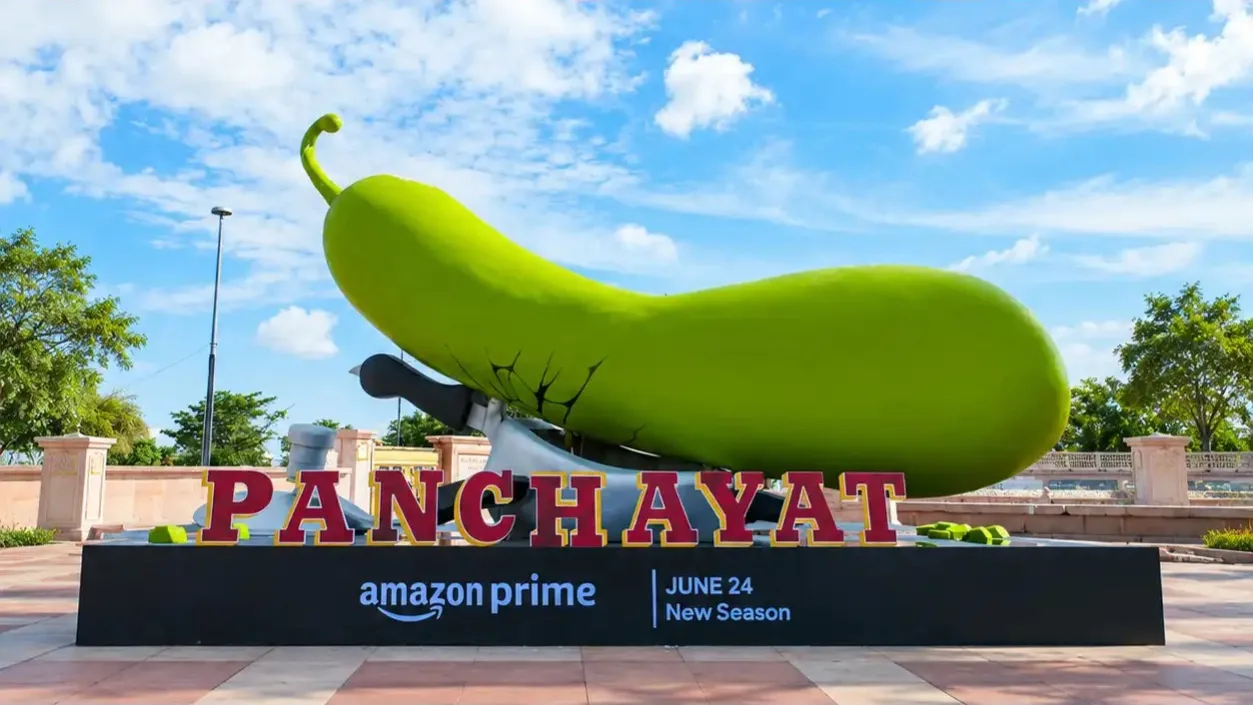
An enlarged three-dimensional product sculpture introduces the visual identity of a new launch.
Main Requirements
- Creative design
- Fabrication
- Structural assessment where relevant
- Installation approval
- Transport
- Safety controls
- Removal
Useful KPIs
Relevant audience interaction, verified participation and approved campaign content. The installation should include an understandable link to the product. A visually impressive object without a clear message may have limited marketing value.
Idea 19. Projection-Based Product Launch
Projection can support a product reveal or creative experience when the venue and technical conditions are suitable.
Best For
- Automotive launches
- Entertainment
- Technology
- Premium product introductions
Example
An approved indoor projection experience introduces the design story behind a new product before its physical reveal.
Main Requirements
- Suitable projection surfaces
- Equipment
- Content production
- Technical testing
- Environmental conditions
- Venue permissions
Useful KPIs
Attendance, completion of the experience, qualified enquiries and approved content delivery. Projection mapping on buildings or other external structures may involve additional property, planning and safety considerations.
Idea 20. Holographic Product Presentation
A holographic presentation format can introduce a product or presenter in a distinctive way. Different display technologies have different capabilities.
Best For
- Technology launches
- Corporate product events
- Premium retail experiences
- Automotive presentations
Example
A technology company uses a suitable holographic presentation display to introduce a new product feature through pre-produced content.
Main Requirements
- Appropriate display hardware
- Content production
- Power
- Lighting control
- Setup space
- Technical operation
- Testing
Useful KPIs
Presentation attendance, product understanding and relevant business enquiries. The chosen technology should meet the actual presentation requirements. Not every so-called hologram display provides the same visual effect.
Idea 21. Interactive Product Education Wall
An education wall uses physical or digital elements to explain key product benefits.
Best For Complex consumer products Healthcare-related products, with appropriate compliance Automotive technology Business software Sustainability-related product launches
Example
An electronics brand creates a guided display explaining a device’s main features with verified specifications.
Main Requirements
- Accurate content
- Design
- Displays or printed elements
- Interactive controls where required
- Accessibility
- Staff support
Useful KPIs
Completed information journeys, common customer questions and qualified product enquiries. The content must be factual. Environmental and technical claims should be supported by evidence.
Idea 22. Appointment-Based Product Discovery
Some products benefit from longer, individual demonstrations rather than a high-volume public activation.
Best For
- Premium automotive
- High-value technology
- B2B products
- Property launches
- Specialist consumer products
Example
A business technology company offers pre-booked product demonstration sessions during a launch event.
Main Requirements
- Booking system
- Demonstration space
- Trained specialists
- Session schedule
- Appropriate data handling
Useful KPIs
Completed appointments, qualified opportunities and relevant follow-up meetings. This format may be more useful when the quality of interactions matters more than the total number of participants.
Idea 23. Product Launch With a Live Performance
A live performance can form part of a product launch when the performance genuinely supports the campaign story.
Best For
- Entertainment
- Fashion
- Sports and lifestyle brands
- Consumer launches
Example
A sportswear launch uses an approved movement performance to introduce a new collection.
Main Requirements
- Venue permission
- Performers
- Rehearsals
- Safety management
- Audio
- Crowd planning
- Relevant performance rights
Useful KPIs
Verified attendance, audience engagement and product-related response. The performance should connect to the brand. It should not simply attract a crowd without communicating the launch.
Idea 24. DOOH Advertising Connected to a Live Activation
Digital out-of-home advertising can introduce or reinforce a product experience.
Best For
- Retail openings
- Consumer product launches
- Automotive
- Entertainment
- Multi-location campaigns
Example
A new consumer product is promoted through selected digital screens around a shopping destination. A separate approved demonstration zone gives visitors the opportunity to test it.
Main Requirements
- DOOH media booking
- Approved digital creative
- Activation space
- Staff
- Coordinated dates
- Separate delivery reporting
Useful KPIs Estimated
DOOH audience exposure, confirmed digital plays, activation participation and relevant enquiries.
The brand should not assume every activation visitor was influenced by seeing the digital screens. Explore TRZY UK OOH and DOOH Advertising.
Idea 25. Multi-Stage Launch Experience
A multi-stage activation introduces the product through a sequence of interactions.
Best For
- Complex product launches
- Automotive
- Premium consumer products
- Technology
- Entertainment
Example
A hypothetical electric vehicle launch includes: Stage 1: Introduction to the new model. Stage 2: Interactive product features. Stage 3: Physical vehicle showcase. Stage 4: Consultation or test-drive enquiry.
Main Requirements
- Visitor journey design
- Space planning
- Staff
- Product content
- Technical equipment
- Queue management
- Reporting
Useful KPIs
Visitors entering the experience, stage completion rates, qualified enquiries and follow-up appointments. A multi-stage experience should be designed to prevent excessive waiting and unnecessary complexity.
3. Which Experiential Marketing Idea Is Best for Your Product?
Different product types require different launch approaches.
| Product category | Ideas to prioritise | Main objective |
|---|---|---|
| FMCG | Sampling, sensory experiences, retail discovery zones | Product trial |
| Consumer electronics | Testing stations, demonstrations, comparison challenges | Feature understanding |
| Automotive | Vehicle showcases, AR, appointment-based discovery | Product consideration |
| Beauty | Sampling, personalised experiences, workshops | Trial and engagement |
| Fashion | Pop-ups, photo booths, live performances | Collection awareness |
| Real estate | VR walkthroughs, interactive models, guided presentations | Qualified interest |
| Entertainment | Themed experiences, games, installations | Launch awareness |
| B2B technology | Demonstrations, interactive education, appointments | Qualified enquiries |
These are planning suggestions, not guaranteed performance rankings. The final idea should be selected using the actual audience, product and available budget.
4. How to Plan a Product Launch Activation in the UK
A launch activation should follow a clear process.
Step 1: Define the Launch Goal
Is the primary goal awareness, product trial, education or qualified enquiries? Avoid giving equal priority to every objective.
Step 2: Understand the Audience
Identify the intended customers and their likely interaction with the product.
Step 3: Select the Idea
Choose an experience that directly communicates the product’s value.
Step 4: Choose a Suitable Venue
Review location relevance, space, access, operating hours and availability.
Step 5: Build the Complete Budget
Include production, staffing, venue, technology, logistics, compliance, measurement and applicable taxes.
Step 6: Confirm Permissions
Identify the rights holder and any additional approval requirements.
Step 7: Develop the Creative
Prepare the visitor journey, design, messaging and technical components.
Step 8: Plan the Operations
Confirm staff, training, installation, accessibility and contingency.
Step 9: Test the Experience
Check equipment and rehearse the participant journey before launch.
Step 10: Measure and Report
Record verified activity and compare outcomes with the original objectives.
5. Choosing a Location for a UK Product Launch
A popular venue is not automatically the right venue. The decision should consider where the intended customers are likely to be and whether the environment supports the experience.
Shopping Centres May suit consumer demonstrations, sampling and retail product launches.
Commercial Event Spaces
May suit controlled presentations, appointment-based experiences and product reveals.
Public Locations May support approved promotional installations and live experiences where relevant permissions can be obtained.
Trade Exhibitions May be suitable for B2B and specialist product demonstrations.
Regional Roadshows May support launches where potential customers are spread across different UK markets.
City Considerations
London, Manchester, Birmingham, Leeds, Liverpool, Bristol, Glasgow, Edinburgh, Cardiff and other UK locations have different audiences, venue conditions and operational arrangements. A multi-city campaign should not assume that one format will work identically everywhere.
6. How Much Does an Experiential Product Launch Cost?
There is no reliable fixed price for experiential product launches in the UK. A small product demonstration may be relatively straightforward. A custom immersive installation or roadshow can require substantial investment.
Main Cost Categories
- Strategy and creative development
- Venue and space hire
- Fabrication
- Interactive technology
- Staffing
- Product stock
- Transport
- Installation and dismantling
- Insurance and approvals
- Content production
- Campaign management
- Measurement
- Contingency VAT where applicable
The actual price depends on the scope.
Illustrative Budget: Three-Day Product Demonstration
The following is a hypothetical budget, not a TRZY UK quotation or published market price.
| Category | Illustrative amount |
|---|---|
| Venue licence | £900 |
| Creative and artwork | £600 |
| Demonstration stand | £1,400 |
| Promotional staffing | £1,800 |
| Equipment | £500 |
| Product samples and materials | £700 |
| Logistics | £650 |
| Management and reporting | £850 |
| Contingency | £600 |
| Total excluding VAT | £8,000 |
| VAT at 20%, if applicable to all items | £1,600 |
| Illustrative total including VAT | £9,600 |
The venue and staffing charges may differ substantially depending on the actual location and operating arrangements.
- Why Budget
- Inclusions
- Matter
One proposal may include staffing and fabrication. Another may quote only the venue and branded structure. Businesses should compare complete project costs rather than headline prices alone.
7. Product Launch Ideas by Budget and Complexity
Budgets should follow project scope rather than arbitrary price labels.
| Idea | Relative production complexity | Important cost drivers |
|---|---|---|
| Simple sampling stand | Lower to medium | Stock, staff, venue |
| Product demonstration | Lower to medium | Equipment, staff, venue |
| Branded workshop | Medium | Facilitators, materials, space |
| Digital touchscreen | Medium | Hardware, content and testing |
| Interactive game | Medium to high | Development, hardware, technical support |
| Temporary pop-up | Medium to high | Space, fabrication, staffing |
| AR or VR experience | Medium to high | Content development and support |
| Large branded installation | High | Design, engineering, fabrication |
| Multi-city roadshow | High | Transport, venues, repeated operations |
| Complex projection launch | High | Technical production, equipment, permissions |
These are relative planning categories. An activation’s actual cost depends on its detailed specification.
8. How Long Does It Take to Plan an Experiential Launch?
A straightforward product demonstration may need several weeks of planning. Complex installations or roadshows can require several months.
Illustrative Planning Schedule
Eight weeks before launch Define the objective, audience, concept and provisional budget. Six weeks before launch
Review venue options, operational requirements and initial design. Four weeks before launch Confirm approved production requirements, staffing and supplier responsibilities. Two weeks before launch Complete creative approvals, technical testing and operational planning. Launch week Install, test and operate the activation according to the approved schedule. After launch Remove equipment, complete reporting and assess campaign outcomes. This is a planning example rather than a guaranteed timeline. Specialist installations, premium venues and additional statutory permissions can require longer.
9. UK Permissions and Safety Requirements
Experiential campaigns need appropriate permission and safety planning. The requirements depend on the venue, activity and equipment.
Venue Permission Confirm who controls the space and whether the proposed activity is permitted.
Event Safety Appropriate arrangements may be needed for:
- Public access
- Safe installation
- Temporary structures
- Electricity
- Crowd flow
- Staff competence
- Emergency procedures
Dismantling
Product Sampling Food and beverage campaigns may need particular hygiene, allergen and product-handling controls.
Games and Giveaways
Competitions and prize draws must comply with applicable promotional rules. The campaign should clearly communicate relevant conditions.
Customer Information
If the activation collects email addresses or telephone numbers, the organiser must address applicable data protection and marketing requirements. Participation in an activation does not automatically authorise future promotional emails.
Photography and Filming
Brands should plan appropriate notices, rights and permissions when capturing or commercially using visitor content. The necessary measures depend on the production and use of the material.
10. How to Measure Experiential Marketing Success
The appropriate measurement depends on the objective.
Awareness Possible measures include:
- Brand awareness research
- Campaign-related searches
- Relevant publicity
- Verified advertising delivery
- Product
- Trial
- Possible measures include:
- Samples distributed
- Completed demonstrations
- Product testing sessions
- Consumer feedback
Engagement Possible measures include:
- Verified participants
- Game completions
- Workshop attendance
- Time spent in the experience
- Commercial
- Interest
- Possible measures include:
- Qualified enquiries
- Appointments
- Test-drive registrations
- Product enquiries
- Relevant sales outcomes
Cost Efficiency
A basic cost per participant calculation is: Cost per participant = Total campaign cost ÷ verified participants For example, a hypothetical activation costing £8,000 with 1,000 recorded participants has a cost per participant of £8. This is not equivalent to a customer acquisition cost.
Financial ROI Where credible incremental profit data exists: ROI (%) = (Incremental contribution profit − total campaign cost) ÷ total campaign cost × 100 A rise in sales during a launch does not prove that the activation caused all additional purchases. Reporting should distinguish observed responses from reasonably supported incremental effects.
11. Common Product Launch Activation Mistakes
Choosing the Idea Before the Objective
The experience should be selected because it supports the desired result.
- Making
- Technology the Main
- Attraction
Interactive technology should communicate something useful about the product.
Using an Irrelevant Venue
High visitor numbers do not automatically mean relevant customers.
- Creating an Experience That Takes
- Too
- Long
The interaction should match the time visitors are willing to spend.
Ignoring Staff Training
Staff need to understand the product, operating procedures and campaign message.
Forgetting Product Availability
A demonstration is less useful if consumers cannot find accurate information about how or when the product is available.
Underestimating Production Costs
Fabrication, technology, transport and installation can substantially affect the budget.
Missing Permissions Venue approval and relevant statutory requirements should be confirmed before installation.
- Using
- Competitions
- Without
- Proper
- Conditions
Prize mechanics, eligibility and administration need suitable review.
- Collecting
- Customer Data
- Without
- Appropriate
- Permission
Marketing consent and privacy requirements should not be treated as a minor detail.
Measuring Only Footfall
Total venue footfall is not the same as verified interaction with the activation.
- Assuming
- Social
- Shares
- Prove
- Commercial
- Success
Content visibility and financial results are different measures.
12. Product Launch Activation Brief Template
A useful brief should include the following information. Brand / organisation: [Insert brand] Product name: [Insert product] Launch objective: [Awareness, product trial, education, enquiries or other] Target audience: [Describe intended customers] Preferred UK locations: [Cities, areas or venues]
- Launch date: [Insert date]
- Campaign duration: [Insert dates and operating hours]
- Preferred experiential concept: [Sampling, pop-up, interactive game, product demonstration or other]
- Product interaction: [What participants should do]
- Creative assets available: [Brand guidelines, product photography, artwork]
- Technical requirements: [Power, screens, AR/VR, interactive equipment]
- Space requirements: [Approximate footprint and access needs]
- Staffing: [Known personnel requirements]
- Budget: [Amount and whether VAT is included]
- Permissions and compliance: [Known venue, safety or product requirements]
- Primary KPI: [Main success measure]
- Reporting requirements: [Participation, trials, enquiries or research]
- Additional notes: [Any fixed launch dates or operational constraints] A clear brief makes it easier to assess which concepts are feasible.
13. How TRZY UK Supports Experiential Product Launches
Planning a product launch experience involves connecting the campaign objective with audience behaviour, creative design and physical execution.
A useful concept should be relevant to the product and practical for the selected location. TRZY UK supports experiential marketing and brand activation campaigns across the United Kingdom. Relevant services include:
- Experiential campaign strategy
- Product launch planning
- Brand activations
- Retail experiences
- Sampling and product demonstrations
- Pop-up installations
- Interactive technology experiences
- Automotive showcases
- Entertainment promotions
- OOH and DOOH integration
- Creative production
- Campaign execution and reporting
The right format depends on the brand, product, target audience, dates and available budget. Not every launch needs a large custom installation. In some cases, a focused product demonstration can communicate more clearly than a technically complex experience. Explore TRZY UK Experiential Activations and Brand Activation.
Frequently Asked Questions
What is experiential marketing for a product launch?
It is a marketing approach that uses planned experiences to introduce a new product and encourage relevant audience interaction.
What are the best experiential marketing ideas in the UK?
Suitable ideas include product demonstrations, sampling, pop-ups, interactive games, AR, VR, automotive showcases and roadshows. The right choice depends on the campaign objective.
What is the difference between experiential marketing and brand activation?
Experiential marketing broadly uses experiences to communicate with audiences. Brand activation usually refers to a specific campaign designed to encourage engagement or action.
How do you make a product launch interactive?
Create a meaningful activity that helps visitors discover, try or understand the product.
What is a good experiential idea for a technology launch?
Product testing stations, guided demonstrations and interactive feature displays may be useful.
What works for an FMCG launch?
Sampling, sensory experiences and approved retail activations can help consumers try and understand new products.
Can small brands use experiential marketing?
Yes. A focused demonstration or workshop may be more appropriate than a large installation.
How much does an experiential product launch cost in the UK?
Costs depend on location, duration, creative, fabrication, staffing, logistics and technology. A campaign-specific quotation is required.
Are pop-up shops considered experiential marketing?
They can be when they provide a designed brand or product experience rather than operating solely as temporary retail space.
Can product sampling improve a launch?
Sampling may support product discovery and trial, but commercial results depend on the audience and campaign execution.
Can AR and VR be used for product launches?
Yes, where these technologies help explain or demonstrate the product and are suitable for the audience.
Are interactive games effective for brand activation?
They can encourage participation when the activity is connected to the brand and its campaign objectives.
Can automotive brands run shopping centre activations?
Yes, at suitable approved venues with appropriate space, safety and operational arrangements.
How do you launch a product across several UK cities?
A modular roadshow or coordinated series of local activations may be suitable. Venues, logistics and staffing need individual planning.
How early should a product launch activation be planned?
Simple activities may require several weeks. Complex installations, major events and roadshows may need months.
Do experiential campaigns need permissions?
Many physical activities require venue or landowner approval. Additional permissions can apply depending on the location and proposed activity.
Can brand activations include prizes?
Yes, subject to applicable promotional marketing and, where relevant, gambling law requirements.
Can an activation collect customer emails?
Yes, where the collection is lawful and transparent. Subsequent electronic marketing must comply with applicable rules.
Is DOOH advertising part of experiential marketing?
DOOH is a digital outdoor advertising format. It can be integrated with an experiential campaign to support awareness.
How can you measure a product launch activation?
Measures may include verified participation, product trials, qualified enquiries, awareness research and suitable business outcomes.
Is social media engagement enough to prove success?
No. Social engagement is one possible result, but it should not replace the campaign’s primary business or marketing KPI.
What is the best location for a product launch in London?
The best location depends on the intended audience, physical requirements, budget and availability. There is no universally best venue.
Can experiential marketing work in Manchester and Birmingham?
Yes. Suitable venues and audiences can support product launch experiences in both cities, subject to availability and approvals.
Can experiential marketing support a film launch?
Yes. Themed installations, interactive experiences and approved promotional events can support entertainment campaigns.
What should be included in an experiential launch brief?
Include the objective, product, audience, location, dates, budget, proposed interaction, technical requirements, approvals and measurement plan.
How can TRZY UK help with experiential launches?
TRZY UK supports campaign planning, creative development, production and execution for product launches and brand activations across the UK.
Conclusion
Experiential marketing can make a product launch more useful to consumers by giving them an opportunity to discover, try or understand something new. The most suitable experience depends on the product and the intended audience. Sampling may help introduce an FMCG product. A live demonstration can explain consumer technology. An automotive showcase can support product consideration, while an interactive installation may be appropriate for a more complex launch. However, an expensive idea is not automatically an effective idea. The concept should communicate the product clearly, fit the selected venue and support a defined marketing objective. Businesses should also plan the full budget, operational requirements, permissions and campaign measurement before production begins. For larger launches, experiential marketing can be combined with OOH, DOOH and other promotional channels to reach relevant audiences before, during and after the experience. TRZY UK supports experiential marketing, product launches, brand activations and integrated promotional campaigns across the United Kingdom. To discuss an upcoming product launch, explore TRZY UK’s Experiential Activation Services or contact hello@trzy.co.uk.
Related guides
-
 Experiential & Brand ActivationExperiential Marketing vs Event Marketing: Key Differences
-
 Industry CampaignsFMCG Product Launch Promotion: Sampling, OOH and Experiential
-
 Film, Music & EntertainmentOTT Series Marketing in the UK: Launch Ideas and Audience Strategy