
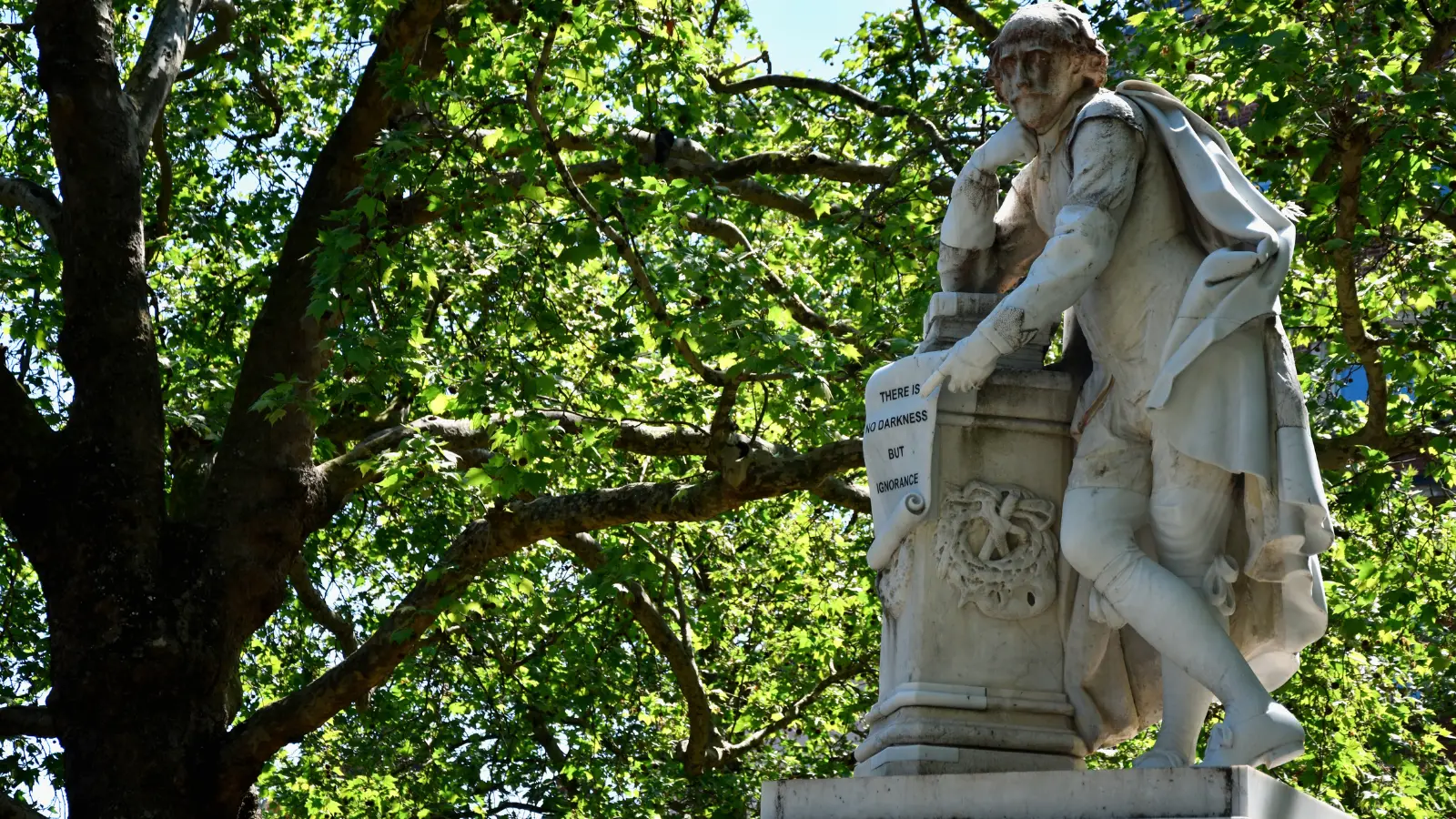
Leicester Square has been associated with cinema, film premieres and entertainment for generations. Located in London’s West End, the square is surrounded by major cinemas, theatres, restaurants and popular visitor destinations. It is a familiar location for red-carpet premieres, film launches and other entertainment events. For a film distributor, streaming platform or entertainment brand, Leicester Square offers several ways to promote a release. A campaign might use a large digital screen facing the square, advertising inside nearby cinemas, selected London Underground placements or a coordinated premiere event. These activities can support one another, but they are not the same service. Booking an outdoor advertising screen does not automatically include a cinema premiere. Hiring a cinema does not give a brand the right to use public space outside it. And organising a red carpet does not mean nearby digital billboards are included. Each part of the campaign has its own booking arrangements, production requirements, costs and permissions. This distinction is especially relevant in 2026. A new large-format digital advertising screen called The Curve opened in Leicester Square in October 2026, creating additional opportunities for brands planning visual campaigns in the area.
However, the available screen time, creative capabilities and commercial conditions must be confirmed for the actual booking. This guide explains how Leicester Square advertising works, which formats are available and how to plan a film or entertainment launch around the location. It covers outdoor digital advertising, cinema promotions, premieres, fan activations, creative production, permissions, budgets and campaign measurement. It also includes practical campaign examples and a checklist for advertisers planning their first Leicester Square launch. Research updated: 26 November 2026.
- Why Leicester Square
- Matters for Film and Entertainment Advertising
- Leicester
Square is an established centre for film premieres and cinema activity in London. Its main cinemas have hosted major film events, while the surrounding streets connect the area with Soho, Chinatown, Covent Garden and Piccadilly Circus. The location brings together several audience groups. These can include people attending cinemas, theatre visitors, shoppers, tourists, hospitality customers and people travelling through the West End. However, these audiences do not all behave in the same way. A person entering Leicester Square from the Underground may follow a different route from someone arriving at a cinema for a premiere. A tourist visiting the square may not be interested in the film being promoted. A fan attending a special screening may already know about the release.
What makes Leicester Square relevant to entertainment campaigns?
There are four main advantages. Cinema association: The area is recognised for film premieres and cinema-going.
- Advertising opportunities: Outdoor digital screens and nearby transport advertising can communicate release messages.
- Physical events: Approved premieres, fan experiences and special screenings can provide opportunities for direct audience engagement.
- Content opportunities: A genuine campaign or premiere can be documented through photography and video for wider digital distribution. These advantages are useful only when they support a clear campaign objective. For example, a limited-release independent film may benefit more from a carefully selected screening and film-focused promotion than a costly large-scale outdoor takeover. A major international release may justify several coordinated elements.
Leicester Square Advertising Options at a Glance
| Advertising option | Where the audience encounters it | Main purpose |
|---|---|---|
| Large-format digital screen | Public area around Leicester Square | High-profile visual advertising |
| Cinema exterior advertising | Selected cinema buildings or approved media surfaces | Release visibility near cinema destinations |
| Cinema auditorium advertising | Inside cinemas before screenings | Reach cinema-going audiences |
| London Underground advertising | Leicester Square station and other selected stations | Transport audience coverage |
| Posters and other nearby OOH | Approved locations around the West End | Geographic awareness |
| Red-carpet premiere | Approved cinema and event areas | Media, talent and fan engagement |
| Fan activation | Approved public or private event space | Audience participation |
| Branded screening | Booked cinema or screening venue | Press, partners or invited audiences |
| Digital and social content | Online platforms | Extend the campaign beyond the physical location |
The available rights and booking processes differ. A successful campaign may combine several options, but it should not automatically include every format.
What Digital Billboards Are Available in Leicester Square?
As of November 2026, there are two principal commercial outdoor digital advertising opportunities directly within the pedestrianised square, according to the current media operator’s published information. These are The Curve and The Screen on Leicester Square. They are separate from advertising inside cinemas or the London Underground network.
1. The Curve at Leicester Square
The Curve is a large curved digital LED advertising screen introduced in October 2026. Its public launch took place on 5 October 2026. The installation is part of a property owned by Soho Estates, with commercial outdoor advertising managed by Ocean Outdoor.
The Curve: Published Technical Overview
| Feature | Published information |
|---|---|
| Main screen | Curved large-format LED |
| Launch date | 5 October 2026 |
| Main screen area | 166m² in the October launch announcement |
| Combined installation | Approximately 240m² including two existing portrait screens |
| Published creative canvas | 3888 × 2160 pixels |
| Main location | Pedestrian route into Leicester Square from Charing Cross Road |
| Advertising management | Ocean Outdoor |
| Property owner | Soho Estates |
| Creative capability | Full motion with specialist 3D possibilities under approved conditions |
These are published technical details rather than a confirmed specification for an individual campaign. Some publicly available screen listings show different area measurements. The current approved production document should be requested before artwork development.
Why is The Curve relevant to film launches?
The screen faces an important pedestrian approach into Leicester Square. It can display visually led advertising and approved film or entertainment creative. Potential applications include:
- Film-release announcements
- Streaming-series launches
- Approved character animations
- Entertainment brand campaigns
- Selected 3D visual executions
- Cultural and premiere-related content
The screen’s shape can also support specialist perspective-based animation. However, full-motion and 3D creative are not automatically available without restrictions at every time.
The actual campaign needs approval for the selected dates and creative arrangement.
Is all of The Curve’s screen time sold to advertisers?
No. The property owner’s cultural programme reserves 30% of screen time for cultural, community and public-interest content. This is managed separately from commercial advertising. The advertiser should therefore use the commercial inventory offered for the actual dates rather than assume uninterrupted use of the full display.
2. The Screen on Leicester Square
The Screen on Leicester Square is another established digital advertising opportunity. It is associated with Vue’s Leicester Square property and is commercially managed by Ocean Outdoor. The operator’s published information describes a large landscape digital display of approximately 65m².
Published Screen Information
| Feature | Information |
|---|---|
| Format | Large-format landscape digital screen |
| Approximate display area | 65m² |
| Published resolution | 1488 × 624 pixels |
| Screen dimensions | Approximately 12.4m × 5.2m |
| Advertising management | Ocean Outdoor |
| Main environment | Leicester Square pedestrian area |
Specifications and availability must be reconfirmed.
When might this screen be suitable?
It can be considered when a film or entertainment brand wants advertising within the square itself. For example, a distributor may want to promote a confirmed cinema release using approved key artwork or a supported motion creative. The media plan should confirm how the screen is viewed, the applicable advertising rotation and the campaign dates.
Can both Leicester Square digital screens be booked together?
The media operator markets the screens as part of a Leicester Square advertising network. A combined campaign may therefore be possible, subject to current availability and commercial arrangements. This could create coordinated visibility across different approaches to the square. However, the advertiser should not assume that one booking automatically includes both displays.
Are These the Only Advertising Opportunities Around Leicester Square?
No. The distinction concerns the principal commercial outdoor digital screen sites in the pedestrianised square. The wider area includes other advertising environments. These can include:
- London Underground station inventory
- Cinema auditorium advertising
- Selected cinema property advertising
- Approved outdoor sites in surrounding
- West End streets
- Relevant transport media
- Other permitted physical or experiential placements
A campaign advertised as “Leicester Square” may include placements outside the square itself. That can be useful, but the geographic description should be accurate. For example, a digital billboard at Piccadilly Circus is not physically located in Leicester Square. It should be described as a separate West End advertising location.
Leicester Square Cinema Advertising: What Can Brands Book?
Leicester Square has several important cinema venues. The cinema environment is especially relevant to film distributors and entertainment marketers because it reaches people who are actively visiting cinemas. However, cinema advertising and holding a premiere are different commercial activities.
Main Cinemas in and Around Leicester Square
| Cinema | Relevant campaign consideration |
|---|---|
| ODEON Luxe Leicester Square | Established venue for major premieres and screenings |
| Cineworld Leicester Square | Major cinema and premiere environment |
| Vue West End | Cinema-going audience close to Leicester Square |
| ODEON Luxe West End | Selected screening and cinema opportunities |
| Prince Charles Cinema | Independent cinema with distinctive film programming |
| Picturehouse Central | Nearby West End cinema with specialist programming and events |
The suitability of an individual venue depends on the film, audience, event requirements and availability.
ODEON Luxe Leicester Square
ODEON Luxe Leicester Square is one of the area’s most recognisable premiere venues. Its history and physical presence make it relevant to major film releases. A distributor may investigate a premiere, special screening or another approved venue arrangement. However, event rights and available dates must be confirmed directly through the appropriate venue arrangements.
Cineworld Leicester Square
Cineworld Leicester Square is another prominent cinema in the square. It can be considered for suitable film and entertainment activity. The available facilities, screening rights and event services need to be confirmed.
Vue West End
Vue West End serves cinema audiences near Leicester Square. Its presence is also relevant to the area’s external digital advertising environment. However, advertising on the outdoor screen associated with Vue is not necessarily included in a cinema event booking.
Prince Charles Cinema
The Prince Charles Cinema is particularly associated with repertory cinema, cult films and specialist screenings. It may be relevant when a campaign aims to reach a defined film-going audience rather than create the largest possible premiere. The final suitability depends on the title and venue programme.
Picturehouse Central
Picturehouse Central sits in the wider West End near Leicester Square. It offers another potential environment for suitable film-related activity.
It should be treated as a distinct venue rather than described as a cinema physically on Leicester Square.
- Advertising Before a Cinema
- Screening vs Hosting a Film Premiere
This is one of the most important distinctions for film distributors.
Cinema Auditorium Advertising
Cinema advertising involves purchasing approved advertising opportunities shown to audiences inside cinemas. It is usually booked through the relevant cinema advertising sales arrangements. As of February 2026, Digital Cinema Media reported that it represented on-screen advertising across the cinema screens surrounding Leicester Square. This includes the Prince Charles Cinema.
Film Premiere
A premiere is an event connected to the release or promotion of a film. It may include:
- A cinema screening
- Invited guests
- Cast and crew appearances
- Press photography
- Talent interviews
- Fan interactions
- Branded venue elements
- A red-carpet arrival
A premiere requires the appropriate screening and event rights.
Are the two automatically connected?
No. Buying cinema advertising does not automatically give the advertiser the right to organise a premiere. Likewise, booking a premiere venue does not necessarily include advertising before every other film screened at that cinema.
Can a film advertise in another cinema’s pre-show?
That depends on the available advertising inventory, applicable content and commercial policies. It should not be assumed that every promotional trailer or competing film advertisement can be purchased in every setting.
What should a distributor confirm?
- The proposal should distinguish: Cinema media: Advertising shown to ordinary cinema audiences.
- Premiere screening: The specific event and screening.
- Venue branding: Approved advertising or decoration within venue-controlled areas.
- Outdoor advertising: Separate digital billboards or posters. Each may require a different agreement.
How to Plan a Film Premiere in Leicester Square
A film premiere is an event-production project, not just an advertising placement. It can involve venue management, talent scheduling, press, security, technical production and public-space coordination.
Step 1: Confirm the Event Purpose
The first question is whether the distributor needs a world premiere, UK premiere, gala screening, press screening or fan screening. These events have different objectives.
A world premiere might be a major media announcement. A press screening may be more focused on journalists and industry guests. A fan screening can prioritise audience engagement.
Step 2: Confirm the Film’s Release Information
Establish the approved:
- Film title
- Release date
- Distributor Screening format
- Content classification status
- Approved artwork
- Talent availability
- Publicity restrictions
The campaign should not announce unconfirmed release details.
Step 3: Select the Venue
The chosen cinema needs to support the event’s screening and operational requirements. Consider the audience capacity, access, technical facilities, talent arrangements and available dates.
Step 4: Define the Red-Carpet Area
A premiere may need a controlled arrival space, press positions and fan viewing areas. The venue booking does not necessarily provide unrestricted use of the surrounding public highway.
Step 5: Assess Permissions
Consult the relevant cinema, local authority and any other rights holders. The exact requirements depend on the proposed activity.
Step 6: Plan Talent and Press Arrivals
The event team should coordinate schedules, transport, holding areas and media activity.
Step 7: Prepare the Event Production
This may include approved branding, lighting, sound, barriers, press positions and other necessary arrangements.
Step 8: Coordinate Outdoor Media
If the premiere also uses digital billboards, book those separately. Confirm that the screen schedule aligns with the event.
Step 9: Prepare Contingencies
Crowds, weather and changing talent schedules can affect outdoor events. The production plan should account for these risks.
Step 10: Document and Report
Capture approved event content and verify the advertising delivery. The results should distinguish attendance, media coverage, digital engagement and outdoor audience estimates.
Leicester Square Permissions: What Needs Approval?
Leicester Square is a busy public environment. Commercial events, filming and physical advertising activity may involve different permission requirements. The relevant authority depends on the exact space and activity.
- Outdoor
- Event
- Permission
- Westminster City
Council provides guidance for events held in streets and open spaces within the City of Westminster. A brand planning a public activation, red-carpet installation or other event activity may need to apply.
Filming Permission Film
London identifies Westminster’s Special Events and Filming Team as the relevant contact for filming applications in Leicester Square. It also notes that the location is particularly busy during evenings and weekends.
Private Property Permission
A cinema may control its own premises and certain external areas. However, permission from the cinema does not automatically authorise activity on neighbouring public land.
Advertising Screen Rights
Commercial digital screens have separate media owners and authorised selling arrangements. Event permission does not automatically include access to those screens.
Other Potential Requirements
Depending on the event, the organisers may need to address:
- Temporary structures
- Public access
- Crowd management
- Security Fire and emergency access
- Street trading
- Music or performance licensing
- Filming equipment
- Vehicle access
- Traffic management
- Electrical power
- Public liability insurance
- Waste management
- Accessibility
Not every activity requires every approval. The actual requirements should follow the proposed event.
- Westminster
- Event
- Application
- Timescales in 2026
Westminster publishes minimum notice periods for different event categories.
| Example activity | Published minimum notice |
|---|---|
| Small-scale event without statutory licences | 10 working days |
| Event requiring certain licences, street trading or temporary structures | Around one month |
| Event involving a road closure or more than 499 people | At least three months |
These are published minimums, not recommended lead times for every premiere.
- Important
- November 2026
- Update
Westminster currently warns that it is experiencing a high volume of event and filming applications. The council states that it is unable to accept certain applications submitted within its normal published timescales and cannot expedite requests through its usual late-fee process. Organisers should contact the council and confirm the actual available application timetable before committing to a launch date.
What should the application include?
A suitable event application may need:
- Proposed date and location
- Description of activities
- Site plan
- Audience and staff numbers
- Temporary structures
- Equipment information
- Access arrangements
- Risk assessment
- Event management plan
- Relevant licensing information
The required detail depends on the scale of the project.
Why does this matter for a film launch?
A distributor might secure a cinema date but later discover that the proposed red-carpet arrangement cannot be accommodated. The venue and public-space plans should therefore be developed together.
Leicester Square Red-Carpet Planning: A Practical Operations Checklist
For a premiere, the red carpet is only one part of the production. The surrounding activity needs careful coordination.
| Workstream | Questions to resolve |
|---|---|
| Venue | Is the screening date confirmed? |
| Rights | Is the film cleared for the planned screening? |
| Public space | Which areas are approved for the event? |
| Guest arrivals | Where will invited guests enter? |
| Talent | What arrival schedule is realistic? |
| Press | Where will photographers and interview teams work? |
| Fans | Will there be a designated viewing area? |
| Security | Who manages access and barriers? |
| Accessibility | Are accessible routes maintained? |
| Emergency planning | Are emergency routes protected? |
| Structures | Are the proposed builds approved? |
| Power | Is electrical provision suitable? |
| Weather | What happens during adverse conditions? |
| Signage | Which temporary signs are permitted? |
| Filming | Are the required filming arrangements approved? |
| Outdoor advertising | Are the screens and creative separately booked? |
| Reinstatement | Who removes the installation afterwards? |
Should the public be invited to the red carpet?
That depends on the approved event concept. An open fan event can create different operational requirements from a strictly invited screening. The event team should not publicly promise access before the arrangements are confirmed.
Can brands install giant props in the square?
A specialist prop may be possible only where the relevant space, engineering and permissions allow. A CGI visual showing a giant object is not evidence that the physical object can be installed.
What about drones?
Drone activity requires its own legal, safety and location assessment. It should not be included in a Leicester Square campaign proposal without establishing whether the intended operation is lawful and permitted.
Leicester Square Digital Advertising vs Piccadilly Lights
Both are prominent West End advertising opportunities, but they are not the same location. Piccadilly Lights is at Piccadilly Circus. Leicester Square has its own commercial digital screens.
Key differences
| Consideration | Leicester Square digital screens | Piccadilly Lights |
|---|---|---|
| Physical location | Leicester Square | Piccadilly Circus |
| Main contextual association | Cinema premieres and entertainment | Recognisable West End landmark advertising |
| Screen products | The Curve and The Screen on Leicester Square | Piccadilly Lights’ specific advertising format |
| Audience environment | Pedestrian routes around the square | Piccadilly Circus public environment |
| Specialist creative | Selected motion and 3D capabilities | Approved specialist motion and anamorphic creative |
| Booking | Confirm actual Leicester Square inventory Leicester Square digital | Confirm actual Piccadilly Lights product |
| Premiere integration | Close to cinema premiere activity | Separate location requiring coordination |
Can a film campaign use both?
Yes, subject to availability and budget. A campaign may book Leicester Square inventory and another selected West End screen. However, the two media opportunities should be budgeted and reported separately.
Which should a film distributor choose?
That depends on the objective. Leicester Square may provide a closer physical relationship with a cinema premiere. Piccadilly Lights may be considered for a wider landmark announcement. Neither is automatically the better advertising choice.
Creative Ideas for Leicester Square Film Advertising
Entertainment advertising should communicate the title, creative identity and relevant release information. A visually dramatic execution can be useful, but it should still be understandable.
1. Main Film-Release Countdown
A digital screen could show approved creative counting down to a confirmed release date.
Example message “Three days until the story begins.”
The film title and release date should be clear.
Important planning consideration The countdown must reflect the correct date and actual screen schedule. A static or manually scheduled campaign may be simpler than building a complex live counter.
2. Character Reveal
A franchise or character-led release could use a short approved animation. The content might introduce one recognisable character or an important visual from the film.
What should the brand avoid?
Do not rely entirely on the audience understanding a complicated sequence. A person may see only part of the animation. The title should be recognisable.
3. Theatrical Key-Art Campaign
A film’s official poster artwork can be adapted for a suitable outdoor screen. This can be appropriate when the existing campaign visual identity is strong.
Recommended approach Retain the approved central image and title. Reduce unnecessary supporting copy. Adapt the design to the screen’s actual dimensions.
4. 3D Anamorphic Creative
A specialist 3D effect may create an illusion that a film element extends beyond the digital screen. For example, a fictional animated object may appear to emerge from the screen.
What makes it suitable?
The visual should connect directly with the film. The screen must support the creative. The operator needs to approve the execution.
Is 3D always necessary?
No. A strong static image may be more appropriate for certain films or budgets.
5. Coordinated Premiere-Day Creative
The outdoor screen could use an approved creative associated with a confirmed premiere. For example: Before the event: Main film announcement. During the agreed event window: Special premiere creative where permitted. After the event: Confirmed release message. The schedule should be established in advance.
What if the event is delayed?
The screen plan needs a safe fallback. A digital billboard should not display an inaccurate live countdown or announcement.
6. Fan-Focused Outdoor Content
A campaign may use approved fan messages, character imagery or another audience-facing concept. However, public participation should not be implied unless the event and permissions are confirmed.
Could a campaign include fan photographs?
Potentially, but the brand needs suitable consent, content rights and moderation procedures. Unreviewed images should not be automatically displayed on a public screen.
How to Create a Film Marketing Campaign Around Leicester Square
A useful launch plan separates the campaign into stages. The following framework is illustrative. Actual dates depend on the release strategy and approved publicity schedule.
Stage 1: Announcement
- Typical planning period: Several weeks before release.
- Objective: Introduce or reinforce the release. Possible activity:
- Initial creative approval
- Outdoor media planning
- Cinema venue enquiries
- Press and talent scheduling
- Social content preparation
Key requirement Confirm the release date and rights before publicising it.
Stage 2: Campaign Build-Up
- Typical planning period: The weeks leading to release.
- Objective: Develop recognition and interest. Possible activity:
- Suitable digital
- OOH
- Cinema advertising where eligible
Supporting transport advertising Approved interviews or promotional content
Key requirement The media plan should use actual inventory and the campaign’s intended audience.
Stage 3: Premiere or Special Screening
- Typical timing: Around the confirmed event date.
- Objective: Create a genuine promotional event. Possible activity:
- Approved cinema screening
- Talent arrivals
- Press coverage
- Red-carpet production
- Relevant digital screen creative
- Event photography and filming
Key requirement Coordinate cinema, public-space and media permissions.
Stage 4: Opening Weekend
Objective: Communicate that the film is available in the intended cinemas or market. Possible activity:
- Approved “In cinemas now” creative
- Suitable digital advertising
- Release-related social content
- Audience engagement activity
Key requirement Use current and accurate distribution information.
Stage 5: Post-Launch
Objective: Maintain relevant audience awareness. Possible activity:
- Approved review quotes
- Verified award or performance claims
- Short campaign videos
- Continuing media placements where useful
Key requirement Do not use unverified audience numbers or misleading box-office claims.
Example: A Hypothetical Film Launch Timeline
| Stage | Illustrative timing | Main decision |
|---|---|---|
| Initial planning | 10–12 weeks before premiere | Confirm venue and rights requirements |
| Media feasibility | 8–10 weeks before | Review screens and commercial terms |
| Permissions | As early as required by current authorities | Confirm event and filming feasibility |
| Creative development | 6–8 weeks before | Prepare artwork and screen-specific concepts |
| Technical production | According to approved schedule | Test video and any specialist CGI |
| Final approvals | Before the required deadlines | Clear the creative and operations |
| Campaign launch | Agreed dates | Verify display and campaign readiness |
| Premiere event | Confirmed event day | Execute approved production |
| Opening weekend | Confirmed release period messaging | Run accurate release |
| Final reporting | After campaign | Reconcile delivery and outcomes |
These are project-planning assumptions. They are not official booking or council approval deadlines. A complex event may require more preparation.
How Much Does Leicester Square Advertising Cost?
There is no single fixed price for advertising in Leicester Square. The cost depends on which commercial rights the brand is buying. A digital screen placement, cinema advertisement and public premiere are different products.
Main Cost Categories
| Component | What affects the price |
|---|---|
| Large-format DOOH | Screen, dates, duration and advertising rotation |
| Cinema on-screen advertising | Selected cinemas, campaign schedule and media package |
| Underground advertising | Station formats, network, dates and display share |
| Screening venue | Cinema facilities, screening arrangements and event requirements |
| Red-carpet production | Barriers, structures, technical production and staffing |
| Public-space permissions | Applicable applications and licence requirements |
| Creative | Artwork, editing, animation and adaptation |
| 3D CGI | Specialist modelling, animation and technical testing |
| Press and talent activity | Scope, schedules and agreed arrangements |
| Filming | Crew, equipment, permits and editing |
| Campaign reporting | Measurement and documentation |
| Contingency | Allowance for operational changes |
What about a public price for The Curve?
A current operator quotation is required. The published site information describes the advertising opportunity, but it does not establish one fixed price for every campaign. Similarly, a historical commercial estimate for another Leicester Square or West End billboard should not be used as the current rate for The Curve.
Can Leicester Square advertising be booked on a small budget?
Some smaller media products in the wider West End may be worth investigating. However, premium large-format screens and substantial premieres can require significant investment. The budget should determine which elements are feasible.
Should a brand compare media costs and event costs directly?
No. A media placement buys advertising delivery. An event production budget pays for operational and creative work. The two serve different purposes and should be itemised separately.
Sample Budget: A £100,000 Film Launch Campaign
Consider a fictional UK film distributor planning a Leicester Square-focused launch. The distributor wants a combination of suitable outdoor advertising, a special screening and approved campaign documentation. The working budget is £100,000 before VAT.
| Component | Hypothetical allocation |
|---|---|
| Outdoor digital media allowance | £40,000 |
| Cinema advertising allowance | £15,000 |
| Special screening and event production | £22,000 |
| Creative artwork and adaptations | £9,000 |
| Filming and campaign documentation | £5,000 |
| Coordination and reporting | £3,000 |
| Contingency | £6,000 |
| Total | £100,000 |
These figures are fictional planning allocations. They are not quotations from any Leicester Square screen owner, cinema or event supplier. The example does not establish that The Curve or any particular cinema can be booked for the stated amount.
What is the purpose of the example?
It shows why campaign budgeting should separate several workstreams. The actual plan may need more investment in media. Another release may require a larger event-production allocation.
A smaller film may choose a screening-led campaign with much less emphasis on premium outdoor inventory.
What should happen before approving the budget?
Request actual quotes and confirm the essential requirements. If the required elements exceed the budget, the team should change the scope rather than pretend the costs are fixed.
- Three
- Leicester Square
- Campaign
- Approaches
The campaign should reflect the film’s audience and release objective.
Example
- 1:
- Independent Film Premiere
- Objective
Introduce a film to press, invited guests and a suitable cinema-going audience.
Possible approach A distributor could consider a carefully selected screening venue, controlled press activity and supporting digital content. A smaller number of relevant media placements may be sufficient.
- Priorities
- Audience relevance
- Screening quality
- Press and guest arrangements
- Creative identity
- Suitable documentation
- Controlled costs
What is unnecessary?
A major digital screen takeover may not be required.
The marketing plan should not be judged only by the scale of the physical production.
Example
- 2:
- Major
- Theatrical
- Release
- Objective
Support awareness around a high-profile film launch and opening weekend.
Possible approach The campaign may combine a premiere, approved large-format digital advertising, cinema media and wider London placements.
- Priorities
- Confirmed release date
- Suitable audience scale
- Creative consistency
- Media booking certainty
- Premiere production
- Press coordination
- Wider digital distribution
What should be measured?
Actual media delivery, relevant audience estimates, premiere attendance and suitable publicity outcomes. These should not be combined into one unsupported “total reach” figure.
Example
- 3:
- Streaming-Series
- Launch Objective
Introduce a new series to UK audiences and generate interest in the release.
Possible approach
A campaign might use approved outdoor digital creative, a fan-focused experience or a special screening. The outdoor advertising should communicate the actual platform and launch date.
- Priorities
- Recognisable series imagery
- Approved branding
- Relevant audience targeting
- Appropriate fan participation
- Clear release messaging
- Social-content distribution
Important distinction A streaming-series launch does not automatically need a theatrical cinema release. A screening may be used as a promotional event without implying that the programme is receiving a general cinema release.
Leicester Square Advertising Creative Specifications
The creative must be prepared for the actual advertising product. The Curve, The Screen on Leicester Square, Tube advertising and cinema pre-show advertising have different requirements.
Example: The Curve
The operator’s published screen listing includes a resolution of 3888 × 2160 pixels. However, the final production package should also confirm:
Current creative layout
- Motion permissions
- File formats
- Slot duration
- 3D requirements
- Any content restrictions
- Submission deadlines
- Technical approval process
Example: The Screen on Leicester Square
The operator lists a resolution of 1488 × 624 pixels. The format is much wider than a conventional 16:9 video. A standard trailer should not simply be stretched to fit.
What should the production team do?
Create approved adaptations using the actual screen specifications.
Cinema Advertising
Cinema pre-show content may have different technical and content requirements. It should be treated as a separate master.
Outdoor Film Creative
A dramatic trailer suitable for cinema audiences may not automatically be appropriate for a public digital billboard. This is particularly important for horror films and other material containing disturbing imagery.
Recommended Creative Matrix
| Creative asset | Intended environment | Main requirement |
|---|---|---|
| Main key artwork | Outdoor poster | Readable title and release information |
| Large-format DOOH | Approved Leicester Square screen | Correct pixel dimensions and motion |
| Cinema pre-show | Approved cinema media specifications | Cinema advertising |
| Tube digital | Selected Underground screens | Relevant rail media specifications |
| Premiere visuals | Cinema and event areas approval | Venue and production |
| Social cut-down | Online platforms | Correct aspect ratio and rights |
| Press images | Publicity | Approved photography and captions |
A good asset matrix prevents incorrect files from being sent to different media partners.
Film Advertising Rules: Why Outdoor Creative Needs Extra Care
Film marketing often uses dramatic imagery. However, an advertisement appearing on a public screen can be seen by people who did not choose to watch that type of content. This creates different considerations from a film trailer shown before a selected cinema screening.
ASA and CAP Code Requirements
Outdoor advertisements must comply with the relevant UK non-broadcast advertising rules. These include requirements concerning harm, offence and responsible advertising.
Real 2026
Example: Predator: Badlands In February 2026, the Advertising Standards
Authority upheld a complaint concerning an outdoor digital video poster for Predator: Badlands. The ASA considered the advertisement likely to cause fear and distress to young children because of its content and public placement.
Real 2026 Example: Lee Cronin’s The Mummy In August 2026, the ASA upheld complaints concerning certain posters for Lee Cronin’s The Mummy. The decision illustrates how disturbing imagery can be unsuitable for an untargeted outdoor environment.
What does this mean for Leicester Square?
A film may be aimed at adult audiences. However, Leicester Square is a public environment used by people of many ages. An outdoor advertisement should be assessed for that setting.
Is the Film’s Age Rating Enough?
No. A film classification does not automatically establish that every image from the film is suitable for outdoor advertising. A poster or trailer must be assessed as an advertisement in its own context.
Other Content Considerations
Advertisers should review:
- Release-date accuracy
- Film classification claims
- Approved cast and talent imagery
- Music rights
- Character rights
- Competitor and comparative claims
- Promotional terms
- Public-audience suitability
The media operator may have additional content requirements.
How to Measure Leicester Square Film Advertising
A film campaign may involve physical outdoor media, a premiere and digital distribution. These elements should be measured separately before drawing conclusions.
1. Outdoor Screen Delivery
Request relevant proof-of-play records. These can show whether the approved creative appeared according to the booked schedule.
2. Estimated OOH Audience Impacts
Use suitable out-of-home audience estimates. In Great Britain, ROUTE provides the industry audience measurement currency.
3. Reach and Frequency
Reach estimates the number of different people seeing the campaign. Frequency estimates the average number of viewing occasions among those reached.
4. Cinema Advertising Delivery
Request the relevant cinema advertising delivery information. This should be separate from premiere attendance.
5. Premiere Attendance
Report actual attendance according to event records. Invited guests, press and fans may be tracked in separate categories.
6. Press Coverage
Assess the actual coverage generated by the event. Media reach estimates should be clearly distinguished from verified article readers.
7. Social Performance
Use relevant online video, engagement and reach metrics.
8. Business or Release Outcomes
Where appropriate, consider suitable research or release-related performance data. However, any claim that the campaign caused a particular result needs appropriate evidence.
- Why Leicester Square
- Visitor
- Numbers Are Not
- Campaign
- Impressions
The outdoor screen operator cites figures suggesting that Leicester Square attracts millions of visitors each week. These are useful indicators of the area’s significance. However, they are not the same as audience delivery for one advertisement.
Example
Suppose a digital billboard runs one ten-second advertisement as part of a rotation. The screen may be visible to people passing nearby. However, the total number of visitors to Leicester Square is not the number who saw that particular advertisement.
Why not? Some visitors may not pass the screen. Others may be present when a different advertisement is displayed. Some may encounter the same screen repeatedly.
Others may pass without noticing it.
What should the advertiser request?
A campaign-specific estimate using the actual screen inventory and delivery schedule.
What about event crowds?
People attending a red carpet should also not automatically be counted as advertising impressions. A large public gathering and a paid screen campaign are different measurements.
A Leicester Square Campaign Measurement Dashboard
| Category | Metric | Suitable evidence |
|---|---|---|
| DOOH | Planned screen plays | Media schedule |
| DOOH | Delivered screen plays | Proof-of-play records |
| DOOH | Estimated impacts | Appropriate audience model |
| DOOH | Estimated reach | Campaign audience modelling |
| Cinema media | Advertising delivery | Cinema media reporting |
| Premiere | Guests attending | Event registration or attendance records |
| Press | Published media coverage | Relevant media monitoring |
| Social | Video views and reach | Platform analytics |
| Content | Approved campaign assets | Final production records |
| Financial | Total expenditure reconciliation | Campaign budget |
| Commercial | Relevant outcomes | Suitable business or release data |
The final report should explain how each metric was calculated. Do not simply add outdoor impacts, online video views and press reach into one figure and describe it as unique audience reach. Those measures can overlap and use different definitions.
What Should a Leicester Square Advertising Brief Include?
A clear brief helps prevent misunderstandings between media, event and creative production teams.
| Brief section | Information required |
|---|---|
| Film or entertainment title | Approved title |
| Distributor or platform | Relevant organisation |
| Release date | Confirmed UK launch information |
| Campaign objective | Awareness, premiere, screening or another outcome |
| Target audience | Intended viewers or fans |
| Required Leicester Square presence | Outdoor advertising, cinema event or both |
| Preferred digital screens | Required sites if known |
| Cinema venue | Preferred screening location |
| Premiere requirements | Red carpet, press, talent and guests |
| Public activity | Any fan activation or installation |
| Campaign dates | Preferred start and end |
| Working budget | Total and cost breakdown |
| Creative assets | Approved key art, trailer, product or character assets |
| 3D requirements | Whether specialist animation is needed |
| Filming | Campaign documentation requirements |
| Legal and permissions | Relevant review responsibilities |
| Reporting | Required delivery and outcome metrics |
What should a proposal clarify?
It should separate the confirmed costs and rights for each workstream. For example: Outdoor media: Confirmed screens and dates. Cinema: Confirmed venue and screening conditions. Public event: Feasibility, approvals and operational requirements. Creative: Actual files and production scope. Filming: Approved production activity and deliverables. Reporting: Agreed measurement. This makes the proposal easier to evaluate and manage.
Leicester Square Advertising Pre-Launch Checklist
Before committing to a major campaign, confirm the following.
| Check | Required confirmation |
|---|---|
| Release date | Approved |
| Main objective | Defined |
| Target audience | Identified |
| Cinema venue | Available and booked where needed |
| Screening rights | Cleared |
| Outdoor screens | Identified |
| Media products | Confirmed |
| Screen availability | Confirmed |
| Creative specifications | Received |
| Media costs | Itemised |
| Public-space permissions | Assessed |
| Filming permissions | Assessed |
| Event-management plan | Prepared where necessary |
| Crowd and safety plan | Prepared where necessary |
| Talent arrangements | Confirmed |
| Press activity | Coordinated |
| Creative approval | Completed |
| Backup messaging | Available where relevant |
| Delivery reporting | Agreed |
| Contingency budget | Approved |
| Final sign-off | Recorded |
A campaign should not rely on verbal assumptions about which locations or services are included.
Common Leicester Square Advertising Mistakes
Treating all Leicester Square advertising as one product Outdoor screens, cinema advertising and event space have different rights.
Assuming a cinema booking includes an outdoor billboard A screening agreement and an OOH booking are separate.
- Confusing
- Leicester Square with Piccadilly Lights
- Both are in London’s West
End, but they are different locations.
Using outdated screen information
The Curve introduced new digital inventory in October 2026. Campaign plans based on older screen lists may be incomplete.
Assuming all 3D creative is available at any time Specialist animation requires the correct screen product and approval.
Planning a red carpet before checking permissions
Venue availability does not guarantee approval for the surrounding public activity.
Treating council minimum timescales as guaranteed
Current application demand can make normal notice periods insufficient.
Overlooking filming rights
Professional filming may require separate permission.
Using cinema trailers as outdoor creative without review A cinema trailer may not be suitable for a public screen.
Assuming visitor figures equal advertising impressions
Area footfall and campaign audience delivery are different.
Claiming every social view as a physical Leicester Square visitor Digital reach must be reported separately.
Promising a viral campaign
A strong location and creative concept cannot guarantee virality.
Producing expensive
CGI before confirming inventory Screen specifications should guide production.
Underestimating event operations
Talent, security, crowd management and public access can be substantial workstreams.
Forgetting release-date changes
A delayed film release can affect the accuracy of printed and digital advertising.
Frequently Asked Questions
About Leicester Square Advertising Can you advertise in Leicester Square?
Yes. Commercial outdoor advertising opportunities include approved digital screens, while cinema and nearby transport advertising may be available through separate arrangements.
What digital advertising screens are in Leicester Square?
The principal commercial outdoor digital screen sites include The Curve and The Screen on Leicester Square.
What is The Curve at Leicester Square?
The Curve is a large curved digital LED screen that opened on 5 October 2026. Its launch announcement describes a 166m² main screen with two neighbouring portrait displays.
Who manages advertising on The Curve?
Ocean Outdoor manages the commercial DOOH opportunities on the screen, which forms part of a property owned by Soho Estates.
Can The Curve show 3D advertising?
The published media information describes full-motion and specialist 3D creative capabilities for approved occasions. Actual availability must be confirmed.
What is The Screen on Leicester Square?
It is a large-format landscape digital advertising display within the square, associated with the Vue property and managed through the relevant commercial media arrangements.
How much does Leicester Square billboard advertising cost?
There is no universal fixed price. The cost depends on the selected screen, advertising period, rotation, creative requirements and commercial agreement.
Can I advertise during a film premiere?
Potentially, subject to available inventory, creative approval and the relevant booking.
Does a cinema premiere include billboard advertising?
No. The outdoor screen must be included explicitly in the agreed campaign scope.
Can I book a film premiere at ODEON Luxe Leicester Square?
The venue may be considered for suitable events subject to its screening, availability and commercial requirements.
Are there other premiere venues in Leicester Square?
The area includes major venues such as Cineworld Leicester Square, Vue West End and other cinemas with different facilities and programming.
Can I advertise inside Leicester Square cinemas?
Cinema advertising opportunities may be available through the authorised cinema advertising arrangements, subject to applicable content and commercial conditions.
Can I use Leicester Square Gardens for a film activation?
Activities in the Gardens or surrounding public areas may require relevant permissions. The specific use should be discussed with Westminster City Council and any other applicable rights holders.
Do I need permission for a red carpet?
A red-carpet event can involve public-space, operational and other approval requirements. Cinema venue permission alone may not be sufficient.
How far in advance should I plan a Leicester Square premiere?
Major events should be planned well in advance. Westminster currently reports high application demand, so its published minimum notice periods should not be treated as guaranteed approval timelines.
Can I film a Leicester Square advertising campaign?
Filming may be possible subject to the location, equipment and required permissions. Professional activity should be planned with the relevant authorities.
Is Piccadilly Lights in Leicester Square?
No. Piccadilly Lights is located at Piccadilly Circus.
Can a campaign use both Leicester Square and Piccadilly Lights?
Yes, where suitable media inventory is available and separately booked.
Is Leicester Square suitable for streaming-series launches?
It may be, especially when the campaign benefits from entertainment-related outdoor advertising, a fan experience or a special screening.
Can an international brand run an entertainment campaign in Leicester Square?
Yes, subject to media availability, advertising requirements and relevant permissions.
Does Leicester Square advertising guarantee media coverage?
No. Press interest depends on the campaign, event and wider circumstances.
How do you measure Leicester Square advertising?
Use suitable outdoor audience estimates, screen-delivery records and relevant event or digital campaign reporting. Different measurements should be kept distinct.
Final Thoughts: Plan the Media, Premiere and Public Experience Together Leicester
Square is closely associated with London’s film and entertainment industry. Its cinemas, public environment and digital screens provide different opportunities for entertainment brands. The introduction of The Curve in October 2026 has added another significant digital advertising format to the square. However, the most important part of planning is understanding how the individual opportunities fit together. A cinema premiere is not the same as outdoor advertising. A digital billboard booking does not automatically include access to public space. And a large visitor audience does not mean every person sees one specific advertisement. For a film or entertainment launch, the campaign should begin with the objective and confirmed release schedule. The team can then decide whether it needs cinema advertising, large-format DOOH, a premiere, a fan experience or a combination. Each component should have clear responsibilities, permissions, costs and measurement. A successful Leicester Square campaign is not simply about appearing in a famous location. It is about using the right advertising and event opportunities to support a clear release strategy.
- Plan
- Film and Entertainment Advertising With TRZY UK
- TRZY
UK provides movie marketing, entertainment marketing and OOH and DOOH advertising services for brands planning campaigns in the United Kingdom. Services can support campaign planning, creative production, premieres, entertainment activations, outdoor advertising and related launch coordination. For a Leicester Square project, the appropriate approach depends on the film or entertainment title, confirmed release date, intended audience, required media locations and event scope. Actual screen inventory, cinema venue bookings, public-space permissions and commercial arrangements must be confirmed with the relevant authorised parties. UK contact Email: hello@trzy.co.uk Phone: +44 7774 676763 India contact Email: marketing@trzy.in Phone: +91 9717059636 Editorial disclosure: This article includes links to TRZY UK services. The named cinemas, screens and media operators are discussed as factual information about the advertising environment and are not represented as TRZY-owned inventory or guaranteed partnerships. All sample budgets and campaign scenarios are hypothetical. Publicly reported visitor and audience figures are not guaranteed campaign results. Actual prices, rights, technical specifications and permissions must be confirmed before booking.
Related guides
-
 London & Transport AdvertisingWestfield London vs Stratford Advertising: Choosing a Retail Environment
-
 London & Transport AdvertisingLondon Train Station Advertising: Planning and Creative Options
-
 London & Transport AdvertisingHeathrow Airport Advertising: Formats and Briefing Questions